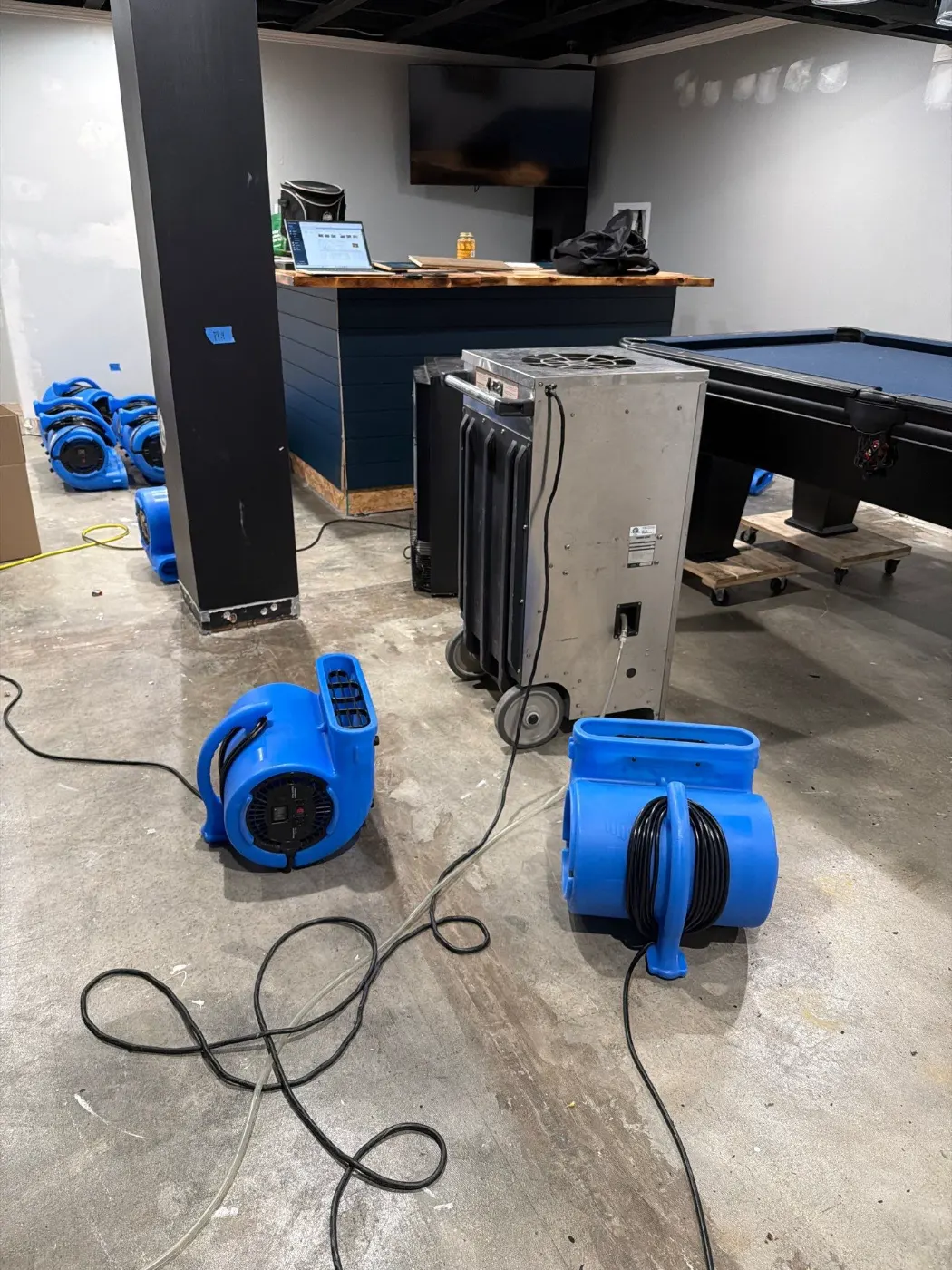
Commercial Storm Damage in New Augusta, IN
Occupied buildings dried without closing the floor. New Augusta Water Restoration answers commercial storm intrusion in New Augusta day or night.
New Augusta Water Restoration handles Commercial Storm Damage for New Augusta, IN homeowners: emergency dispatch around the clock, IICRC certified technicians, and insurance coordination on approved claims. Call (317) 342-7736.
- Service: Commercial Storm Damage for New Augusta homeowners
- Service area: New Augusta, IN and surrounding areas
- Response time: Emergency calls from New Augusta dispatched immediately, day or night
- Licensed and insured (License #RC21100059)
- Serving New Augusta, IN since 2018
Commercial Storm Damage Cleanup in New Augusta
We'll secure and dry commercial buildings in New Augusta after a storm opens the roof or floods a lower level.
Storms Here
Spring and summer are severe thunderstorm season here, and the occasional tornado comes with them. NWS Indianapolis posts summaries of past storms, which helps when your carrier asks for a date.
We respond to storm calls from businesses anywhere in New Augusta, including those around Lincoln Middle School and the Michigan Road corridor. We also handle commercial storm damage in St. Vincent-Greenbriar and Trader's Point.
Commercial Storm Damage for New Augusta Businesses
A warehouse slab that took on a few inches of storm water looks dry by the next afternoon and isn't. Concrete holds moisture long after the surface sheds it, and whatever's stored on that slab absorbs what the concrete releases. New Augusta Water Restoration brings desiccant drying capacity to commercial losses in New Augusta, IN, measures the slab with the right instrument, and gives you readings you can show a tenant.
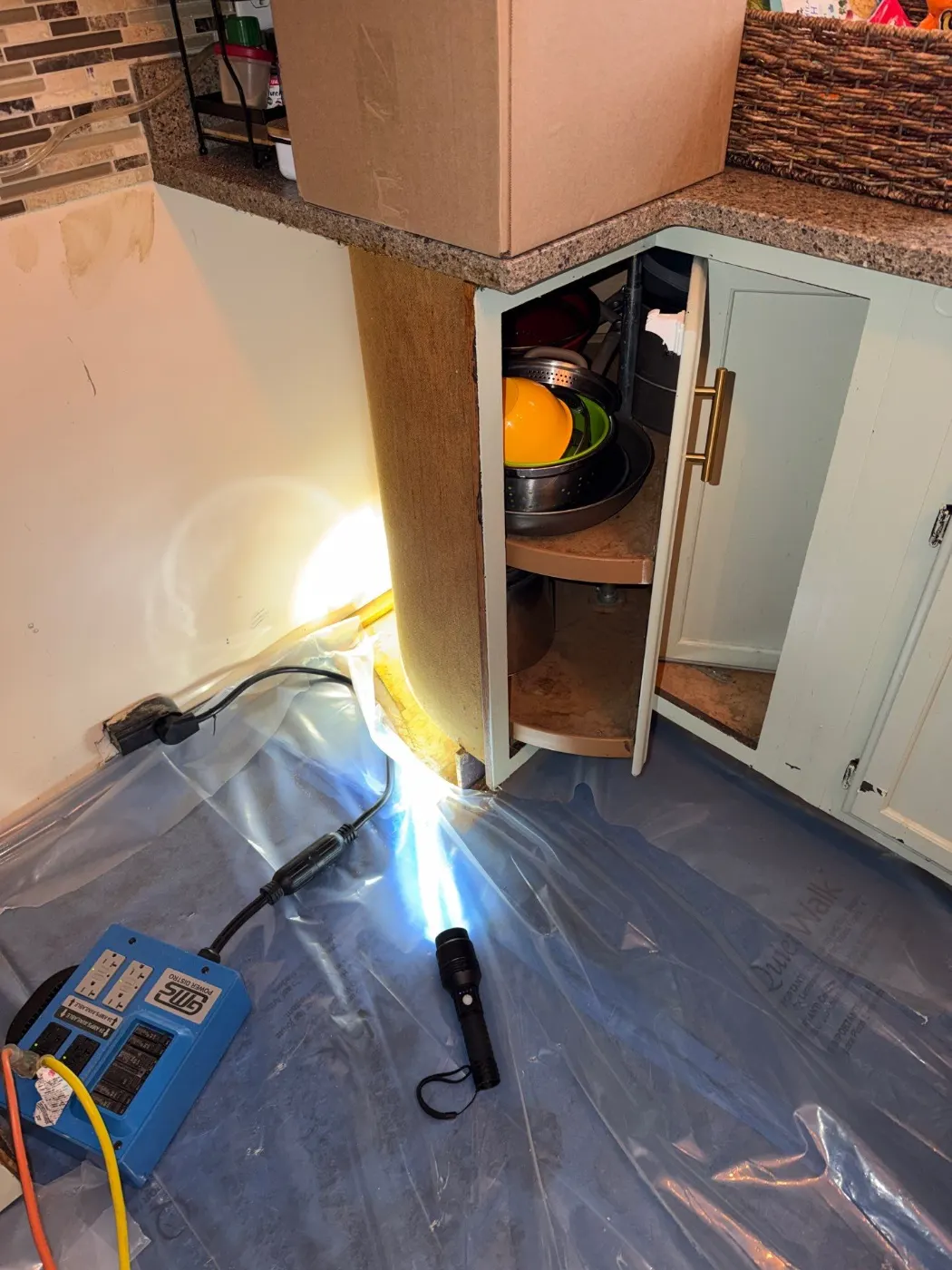
Every cord that runs through a wet area goes through ground fault protection, and the crew checks panel labels with your building engineer before touching any circuit that serves the space. Equipment gets staged off the floor where it can be, and the electrician decides what's safe to reenergize. Those checks happen before the first dehumidifier is plugged in at your New Augusta property.
Jobs close on readings. Affected materials in your New Augusta building have to match the dry standard taken from an unaffected part of the same structure, measured with the same meter on the same scale. Equipment comes out after that, final readings go in the file with the photos, and a punch walk with the property manager sets what reconstruction still owes.
Some commercial storm losses get paid out of an operating budget, and the documentation still matters there. New Augusta Water Restoration builds the same file either way on a commercial job in New Augusta, because a capital request to ownership gets reviewed too. Readings, photos and a scope tied to measured area give the property manager something defensible to hand up.
Storm water in an occupied building gets worse every hour it sits. Call New Augusta Water Restoration and a crew is on the way to your New Augusta, IN property within two hours with extraction capacity, dry in materials, and the documentation your carrier will ask for. The team can meet you on site or coordinate with your roofer.
Signs You Need Commercial Storm Damage Restoration
If you notice any of these in your New Augusta building, schedule a free inspection before the issue worsens.
The smell of damp cardboard in a stockroom that gets stronger after each heavy rain
Breakers tripping in a mechanical room or electrical room that sits under a roof penetration
A musty, earthy smell at a return air plenum or coming out of a corridor diffuser
Vinyl tile or glue down carpet lifting at the seams out in the middle of a floor plate
Silt or sediment left as a film on the receiving area floor once the water drains off
Interior wall base swelling, delaminating, or pulling away from the gypsum behind it
Water lines on the lower walls of a dock office or receiving area
Ceiling tiles sagging, stained brown at the center, or crumbling along the grid in one area of a floor
Standing water in a rooftop unit's drain pan, or condensate running down the duct below it
Roof drain piping dripping at a joint inside a chase or above the ceiling
How New Augusta Water Restoration Handles Commercial Storm Damage
We follow these steps in order on every New Augusta job.
Contents and Inventory Protection
Stock and equipment on wet floors get lifted onto blocking or moved to dry ground, with plastic over anything that has to stay. A photo list records what moved and where, which supports each tenant's own claim.
Water Path Check
The crew traces the water from the roof breach down through the ceiling to the floors below and photographs the path. Water that backed up out of a drain tied into a sanitary line gets handled as sewage, and that call drives the protocol.
Structural Drying Setup
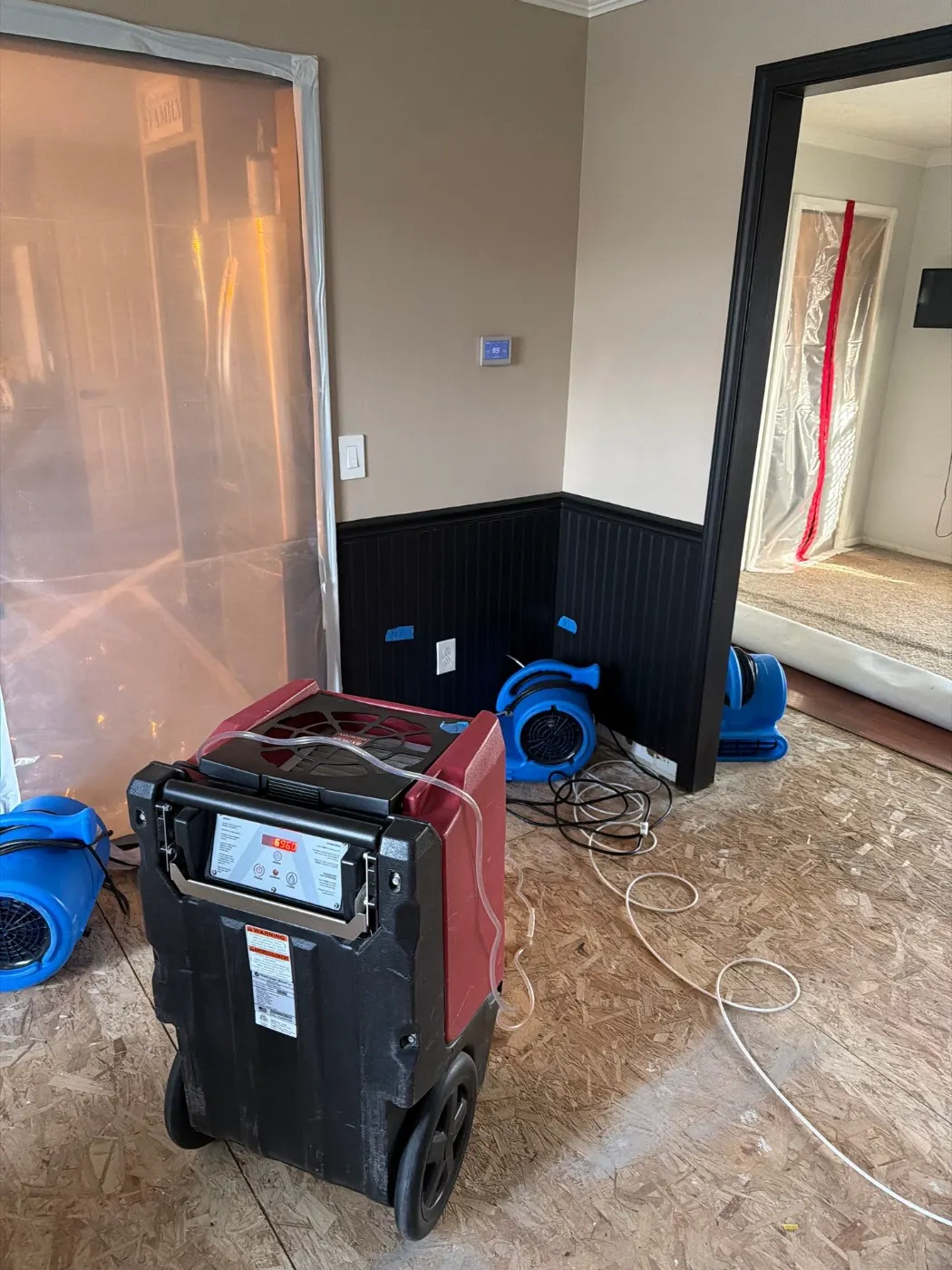
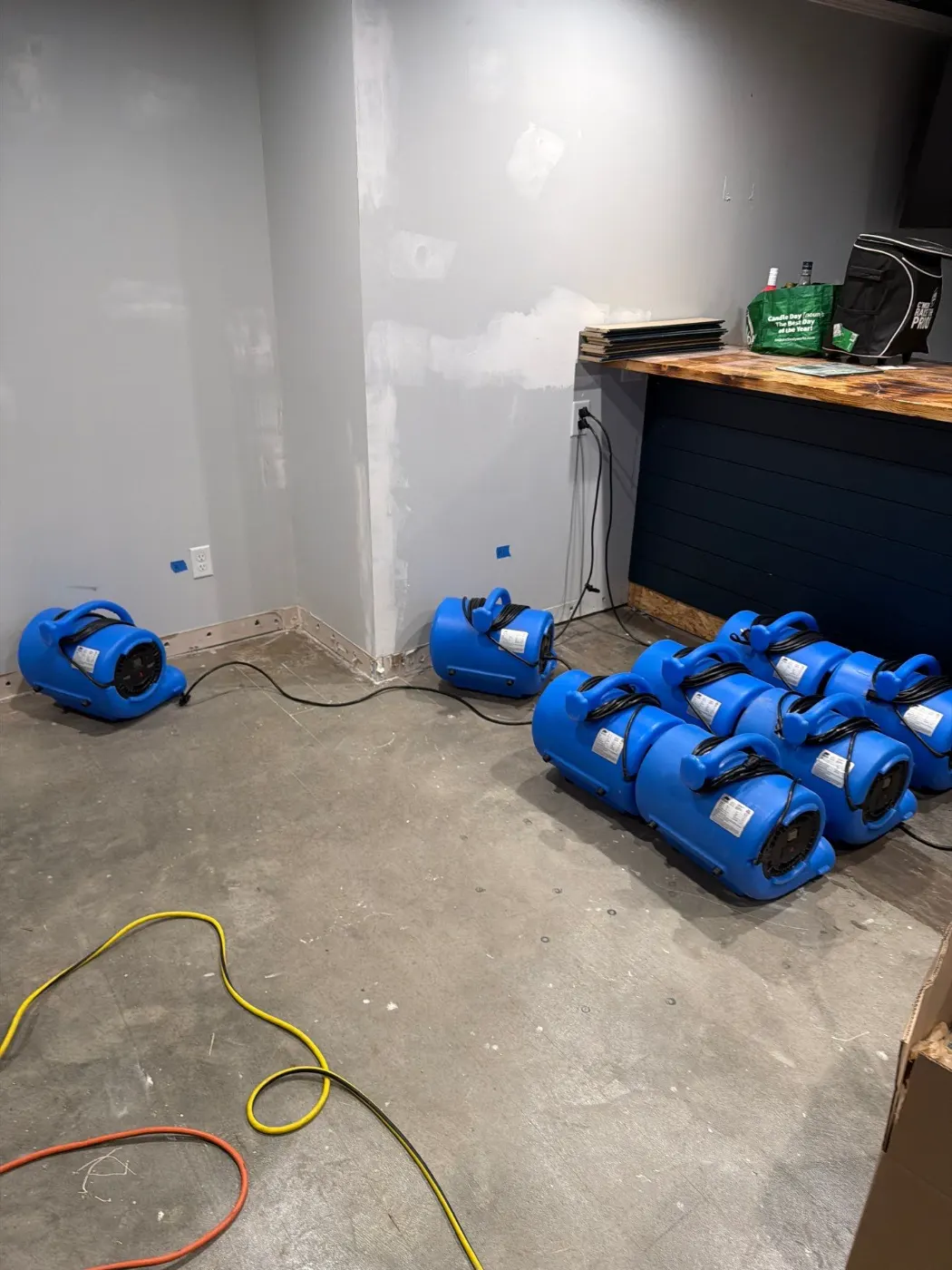
Dehumidification is sized to affected cubic footage, desiccant for open floor plates and refrigerant units for enclosed suites. Air movers go in at calculated angles. The crew checks available amperage and brings distribution or generator power when building panels can't carry the load.
Slab and Dock Floor Checks
Concrete at a dock or in a warehouse holds water well after the surface dries, so the crew probes the slab at marked spots and keeps dehumidification and air movement running until the readings level off.
Closeout File and Walkthrough
A walkthrough with the property manager closes the job, and the crew hands over one organized file with the photos, the readings, the equipment run hours and the scope. Ownership and the carrier's reviewer can read it start to finish.
Commercial Storm Damage in New Augusta
Photographs from real commercial storm damage jobs completed by our crew in New Augusta and surrounding areas.
Commercial Storm Damage FAQ
Questions New Augusta property managers ask us about commercial storm damage restoration.
Guidance and Standards for Commercial Storm Damage
- The National Weather Service office in Indianapolis posts summaries of recent central Indiana storm and flood events. NWS Indianapolis Event Summaries
- The ANSI/IICRC S500 is the published standard for professional water damage restoration. The current edition is the Fifth Edition, 2021. IICRC S500 Standard
New Augusta Neighborhoods We Serve
We take commercial storm damage calls in every part of New Augusta. Pick your neighborhood for local details.
Other Restoration Services in New Augusta
New Augusta Water Restoration handles the full scope of restoration work. Explore our other services below.
Water Damage Restoration in New Augusta
24/7 emergency response. IICRC certified water restoration from extraction to full dry out.
Learn more →Basement Flooding in New Augusta
Basement water emergencies handled fast. Extraction, drying, mold prevention.
Learn more →Sewage Cleanup in New Augusta
Category 3 biohazard cleanup. Full containment, decontamination, structural restoration.
Learn more →Request Commercial Storm Damage Restoration
Reach Us Directly
Our team is available 24/7 for emergencies and ready to schedule inspections during business hours.
Need Immediate Help?
For active water or mold emergencies, call us directly. We are available 24/7.